Discovering the Ancient Petroglyphs of Cholpon Ata
The Historical Significance of Cholpon Ata's Ancient Petroglyphs
Nestled on the northern shore of Issyk-Kul, one of the world’s largest saline lakes, Cholpon Ata is a gateway to understanding the region’s rich past. The town is best known for its open-air museum that houses ancient petroglyphs dating back as far as the Bronze Age. These rock carvings provide a glimpse into the lives and spiritual practices of the peoples who inhabited the area over millennia.
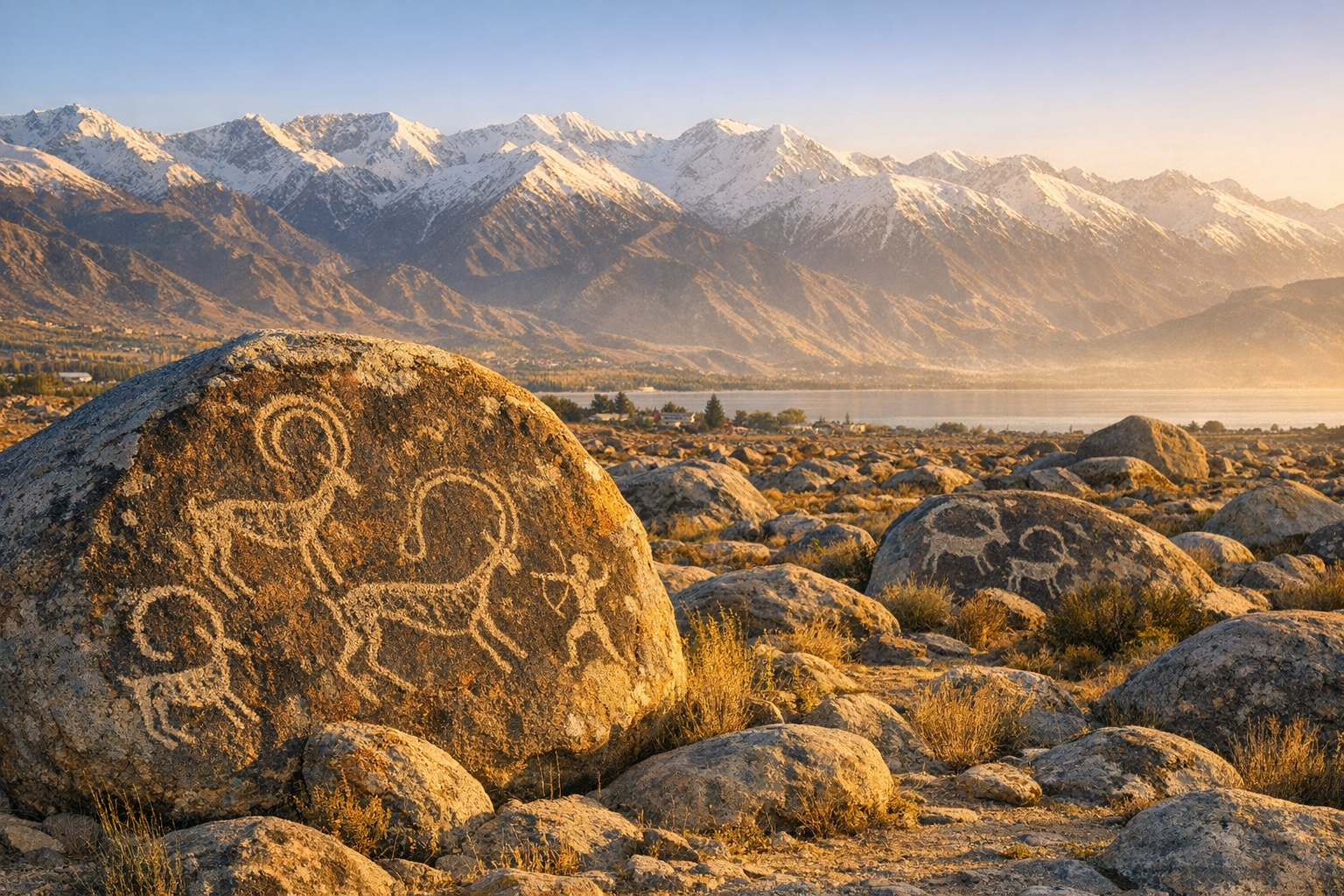
The petroglyphs of Cholpon Ata are more than mere artistic expressions. They are a testament to historical events, religious rituals, and everyday life. The site itself, the Petroglyphs Open-Air Museum, is a sprawling 42-hectare field filled with granite boulders adorned with engravings of animals, hunters, and sacred symbols. This area was a revered sanctuary for the nomadic tribes that traversed the Tian Shan mountains and remains an archaeological treasure trove today.
Kyrgyzstan, located along the ancient Silk Road, has always been a confluence of cultures. The petroglyphs reflect a melting pot of Saka-Scythian, Turkic, and more recent Kyrgyz influences. These carvings are locally referred to as ‘tamgha’ or ‘tash ayaz,’ and offer proof of the exchange of artistic and cultural ideas across Central Asia.
Visitors to the site can easily visualize the natural amphitheater used for rituals by past civilizations. The proximity to the stunning Issyk-Kul Lake adds to the allure, making Cholpon Ata a fascinating destination for history enthusiasts, culture seekers, and adventurers alike.
Practical Logistics, Safety Protocols & Cultural Etiquette
Timing your visit is crucial for the best experience. The ideal period to explore Cholpon Ata’s petroglyphs is between May and September, when the weather is warmer and the skies are clearer. Offseason visits might encounter snow, especially impacting travel conditions.
Entry into the Petroglyphs Open-Air Museum requires a modest fee of around 100 KGS (Kyrgyzstani Som) per person. It helps fund ongoing preservation efforts. Familiarizing yourself with basic Kyrgyz phrases like ‘Rahmat’ (Thank you) and ‘Salamatsyzby’ (Hello) enhances interactions with locals.
Permits are generally not required for visiting Cholpon Ata, unlike some other restricted trekking regions in Kyrgyzstan. However, for those wishing to extend their journey to military border zones around Issyk-Kul, permits are mandatory and can be processed in Bishkek.
Safety protocols include basic first-aid preparation and altitude acclimatization, though Cholpon Ata is not high altitude compared to other regions. Water purification methods are advised if you’re trekking longer routes beyond the tourist sites, where access to bottled water might be limited.
Staying in a yurt is a culturally immersive way to experience Kyrgyz hospitality. When entering a yurt, remember to remove your shoes and sit where indicated by your host. Meals are communal; try local specialties like plov and manty with respect and gratitude.
Understanding the dynamic weather and preparing for varied temperatures is crucial. Layered clothing, sunscreen, and a hat will protect you as you explore the open-air museum.
Bring a detailed map or download GPS coordinates of the petroglyphs. This ensures you navigate effectively and locate the most intriguing carvings within the vast site.
Engage with local guides who can provide insightful narratives about the petroglyphs. Their stories often bring additional depth to the carvings’ historical context and significance.
Frequently Asked Questions About Ancient Petroglyphs of Cholpon Ata
How do I get to Cholpon Ata from Bishkek?
Travelers typically journey to Cholpon Ata by car or shared marshrutka for a more budget-friendly option. The drive spans around 4-5 hours, offering captivating views of mountains and valleys.
What is the entrance fee for the Petroglyphs Open-Air Museum?
The entrance fee to explore the ancient petroglyphs is approximately 100 KGS Som per person. This fee supports conservation efforts within the site.
What should I wear when visiting the petroglyphs?
Prepare for varied weather by wearing layered clothing. Comfortable hiking boots are recommended due to the rocky terrain, and carrying water is essential to stay hydrated.
Plan Your Kyrgyzstan Wilderness Expedition
Ready to explore the untamed Tian Shan mountains? Contact the Wild Kyrgyzstan team at wildinkyrgyzstan.com to book your custom guided trek or explore our self-guided expedition itineraries.