Exploring the Ancient Silk Road Trade Networks Across the Tien Shan
Introduction to the Tien Shan Silk Road
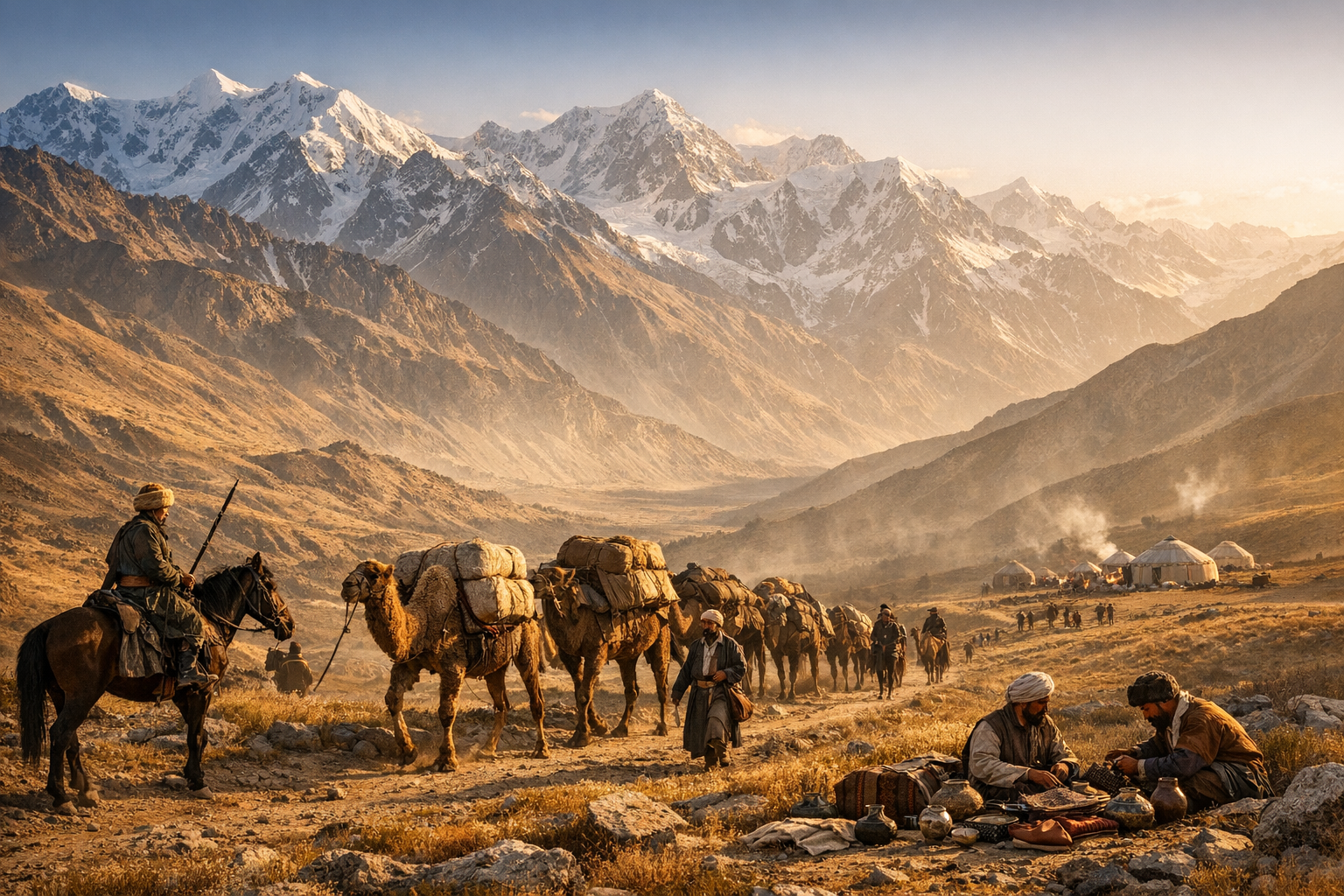
The Silk Road, a network of ancient trade routes, is one of the most significant cultural crossroads in human history. Stretching from China to the Mediterranean, it facilitated not only the exchange of goods but also ideas, technologies, and cultures. Nestled within this network is the magnificent Tien Shan mountain range, a critical juncture linking distant civilizations. Known locally as 'Heavenly Mountains,' the Tien Shan provided a challenging yet enriching path for traders. The influence of these routes is echoed in the local Kyrgyz culture, where remnants of ancient trade continue to shape traditions and lifestyles. Here in the Tien Shan, you find not only traces of the past but active participation of the present, with nomadic horsemen riding across the same plains that once saw bustling camel caravans laden with silk, spices, and precious stones. The Tien Shan's rugged terrain and breathtaking vistas made this section of the Silk Road a legendary passage, offering travelers magnificent views of jagged peaks cloaked in snow, vibrant alpine meadows (jailoos), and deep valleys dotted with yurt settlements. As you traverse these time-honored pathways, you'll become immersed in stories of ancient merchants, fierce Mongol warriors, and the thriving trade that once permeated these mountains. The unique blending of commerce and culture fostered innovations, including the shyrdak felt rugs widely admired for their intricate patterns and craftsmanship, offering a tactile connection to the rich heritage of the Silk Road. For the modern traveler, embarking on a journey across the Tien Shan means stepping into a living chronicle. The adventure promises not just a traverse of untamed landscapes but also an opportunity to engage with the vibrant local communities whose lives continue to be influenced by the echoes of ancient trade. From participating in traditional eagle hunting in Bokonbaevo to savoring kyrgyz delicacies like kumis, this journey along the Silk Road is as much about cultural immersion as it is about scenic exploration. Prepare for an expedition that elevates your senses and connects you profoundly with the deep-seated history of the Silk Road across the inspiring Tien Shan mountains.
Practical Logistics, Safety Protocols & Cultural Etiquette
Embarking on a Silk Road journey through the Tien Shan requires meticulous planning to ensure a safe and enriching experience. First, understanding the regional seasonal variations is crucial. The optimal period for trekking is from June to September, when the weather is most favorable and mountain passes are accessible. Prepare for stark temperature changes, from warm days to chilly nights, necessitating layered clothing systems for adaptability. Securing permits and understanding regional regulations is essential, especially when contemplating routes near the Torugart Pass. Due to its geographic and political sensitivity, travelers must obtain advance authorization, which local guides or CBT can assist with. Such preparations prevent travel disruptions and ensure compliance with international border standards. Health considerations, like altitude acclimatization, play a significant role. The ascent across various parts of the Tien Shan can push altitudes well over 3,500 meters. Gradual acclimatization is paramount to avoid altitude sickness. Prioritize your health by staying hydrated, pacing yourself, and incorporating rest days as needed. Water purification is another key safety measure. While natural water sources abound, treating water via portable filters or purification tablets ensures safety from bacteria and viruses endemic to high-altitude environments. Immersing yourself in local Kyrgyz culture enriches your journey. Simple etiquette, such as greeting with 'Salamatsyzby' (hello) and respecting yurt customs, fosters positive interactions. When sharing meals, participating in cultural rituals like drinking kumis, a fermented mare's milk, with locals can present unique, authentic experiences that deepen your appreciation for their way of life. Transport logistics, often an intricate web, require understanding of the marshrutka (shared taxi) network, predominantly paid in Kyrgyz Som (KGS). Familiarity with principal local routes and their schedules facilitates seamless travel, especially when connecting more remote destinations along your Silk Road path. Choose reputable transport services to ensure safety and reliability throughout your journey.
Consider joining a CBT-guided expedition for comprehensive support, providing access to a network of local guides and homestay experiences that enrich your cultural immersion.
Communicate effectively with locals by learning a few common Kyrgyz phrases, enhancing your interactions and demonstrating cultural respect.
For an immersive cultural experience, participate in traditional activities such as eagle hunting or horseback treks, providing deeper insights into nomadic Kyrgyz lifestyles.
Frequently Asked Questions About Ancient Silk Road Trade Networks Across the Tien Shan
What is the best time of year to travel the Tien Shan section of the Silk Road?
The best time to explore the Tien Shan along the Silk Road is between June and September. During these months, the weather is moderate, and the mountain passes are accessible. It's ideal for trekking and engaging with local communities due to the vibrant summer grazing season when nomads are most active.
How can I secure permits for traveling near the Chinese border at the Torugart Pass?
To travel near the Torugart Pass, you must arrange for a special travel permit due to its strategic location. This document can be acquired through local tour operators or CBT services, who assist with the necessary paperwork and ensure compliance with cross-border regulations.
What gear is essential for a Tien Shan trek along the Silk Road?
Key gear for a Tien Shan trek includes layered clothing for variable temperatures, a reliable GPS device or maps, trekking poles for stability on steep terrain, and water purification tools. A sturdy backpack and lightweight camping equipment are also crucial for extended hikes.
Plan Your Kyrgyzstan Wilderness Expedition
Ready to explore the untamed Tian Shan mountains? Contact the Wild Kyrgyzstan team at wildinkyrgyzstan.com to book your custom guided trek or explore our self-guided expedition itineraries.