Discover the Thrilling Heritage and Rules of Kok-Boru: Kyrgyzstan's Dead Goat Polo
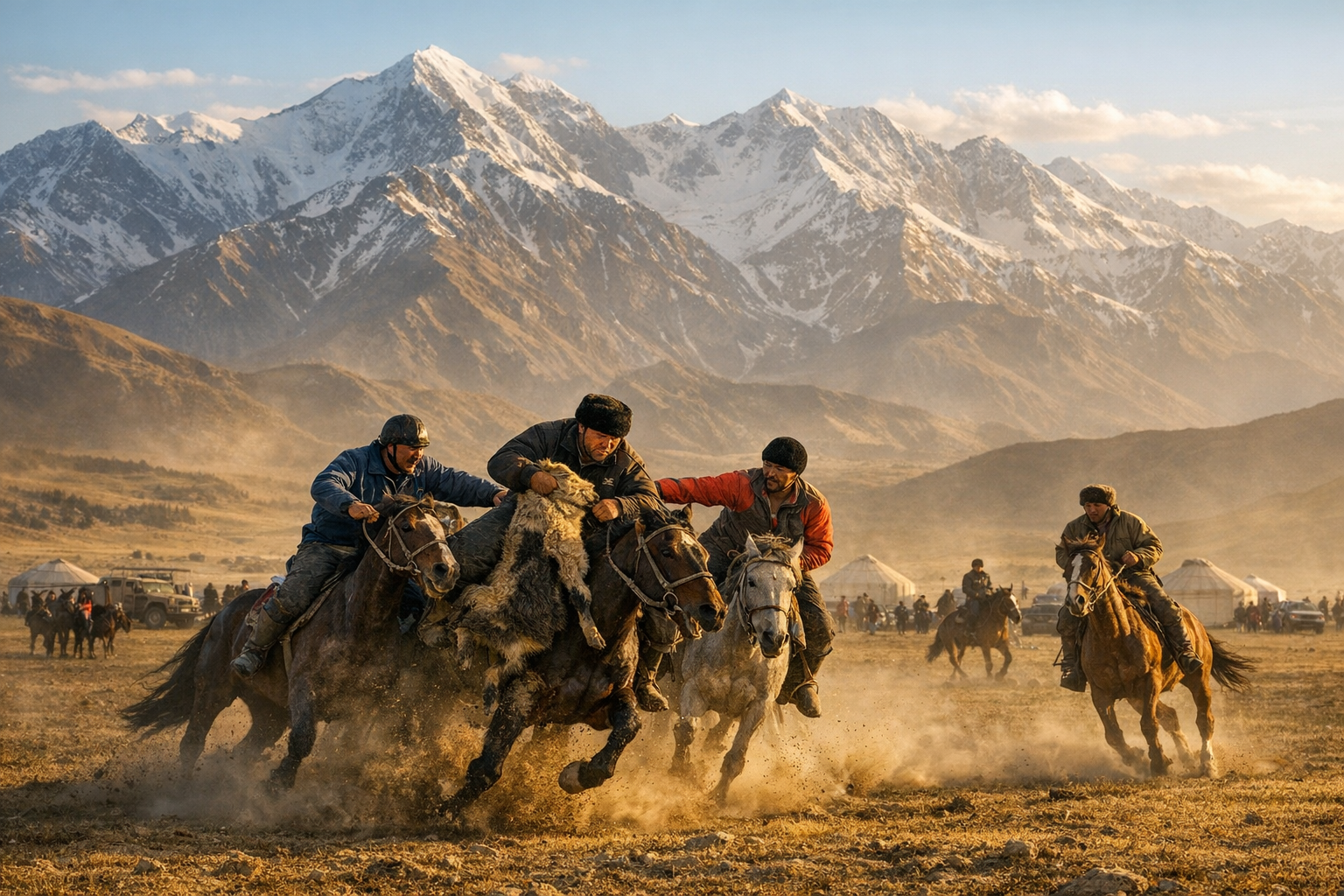
Introduction to Kok-Boru: The Heart of Kyrgyz Heritage
Kok-Boru, a centuries-old tradition hailing from the majestic landscapes of Kyrgyzstan, embodies the spirit of its nomadic people. The name itself, translated to mean 'gray wolf,' hints at its origins rooted in historical battles to protect livestock from wolves. This exhilarating game, famously known as 'dead goat polo,' is played on horseback, utilizing a goat carcass instead of a ball. It's more than a sport; Kok-Boru is a vivid cultural tapestry weaving together community, pride, and tradition.
The origins of Kok-Boru are entrenched in the harsh realities faced by the Kyrgyz nomads over the centuries. As pastoralists moved across the vast steppes and mountainous regions like the Tian Shan and the Alai mountains, protecting their herds was paramount. The simulation of a wolf hunt transformed into a cherished game, capturing both the strategic complexity and physicality of these ancestral challenges.
Playing on a dusty or grassy field, Kok-Boru is often the centerpiece during celebrations like Nowruz, covering large expanses sometimes over 200 meters in length. The game is interwoven with the cultural fabric and showcases local customs and attire. With riders clad in traditional 'kalpaks' (hats) and vibrant national costumes, spectators are treated to an event that is as visual as it is thrilling.
Historically, Kok-Boru has transcended sporting realms to become a symbol of national identity. During Soviet times, the traditional aspects of Kok-Boru were suppressed, but since the fall of the Soviet Union, the game has been revived and revitalized, cementing its place in Kyrgyzstan's national consciousness. This sport reflects not only the physical prowess and equestrian skills of the Kyrgyz people but also celebrates their enduring connection to ancestral roots.
Practical Logistics, Safety Protocols & Cultural Etiquette
Embarking on a Kok-Boru expedition necessitates meticulous planning and attention to detail. Given the seasonal variances, the ideal periods are during spring and autumn when the weather conditions are conducive to both playing and spectating. Events are typically clustered around national holidays and local festivals, offering immersive cultural experiences.
Travelers should prioritize securing permits, especially when venturing into restricted border zones. This can be coordinated through local Community-Based Tourism (CBT) offices, widely available across Kyrgyzstan's cities and rural towns. They offer invaluable assistance with legal documentation, field coordinates, and detailed itineraries.
Altitude is another critical consideration. With many games held in elevated regions such as the jailoos of Terskey Alatau, acclimatization should not be underestimated. Regular hydration, gradual ascent, and perhaps pre-expedition consultations with health professionals are advised.
Transportation across vast terrains often involves marshrutkas (shared minibuses) complemented by local taxis or private hires for isolated villages. Costs can vary, but budgeting approximately 300-500 KGS Som per day for transport, with additional for guides or translators, will ensure smoother navigation.
When attending or participating, understanding and respecting local etiquette is crucial. Punctuality is appreciated, and a basic grasp of Kyrgyz phrases, such as 'Salam Aleykum' (hello) and 'Rakhmat' (thank you), fosters goodwill. Entering a yurt or partaking in communal meals, guests should adhere to seating traditions, recognizing hierarchical positions within family and community structures.
Participants should prioritize physical fitness and practice equestrian skills ahead of joining. Consult CBT offices for training opportunities or sessions with local horse experts specializing in Kok-Boru.
Consider equipping yourself with GPS devices or portable maps, especially when navigating less defined routes between rural Kok-Boru playing fields scattered throughout the highlands.
Immerse in local culture by coordinating stays within nomadic communities during expeditions. These insightful experiences offer authentic glimpses into the daily lives and traditions of the shepherding families central to Kok-Boru.
Frequently Asked Questions About Kok-Boru
What is the best time of year to witness Kok-Boru in Kyrgyzstan?
The optimal periods are spring and autumn due to milder weather facilitating travel and outdoor play. During these seasons, numerous festivals include Kok-Boru matches, offering prime opportunities to witness the sport alongside other cultural events.
How can tourists participate or learn more about Kok-Boru?
Contact local CBT offices for arrangements with experienced guides or horse trainers. They offer lessons to understand the rules, history, and techniques. Costs range from 2000-4000 KGS Som for guided sessions or participation opportunities.
What are the safety considerations for attending Kok-Boru matches?
Spectators should remain a safe distance from the field due to the dynamic and fast-paced nature of the game. It's advisable to wear sturdy footwear and weather-appropriate clothing. Hydration and sunscreen are recommended, especially in summer months.
Plan Your Kyrgyzstan Wilderness Expedition
Ready to explore the untamed Tian Shan mountains? Contact the Wild Kyrgyzstan team at wildinkyrgyzstan.com to book your custom guided trek or explore our self-guided expedition itineraries.