Discover the Rich History and Health Benefits of Kymyz: Fermented Mare's Milk
Unveiling the Cultural Significance of Kymyz
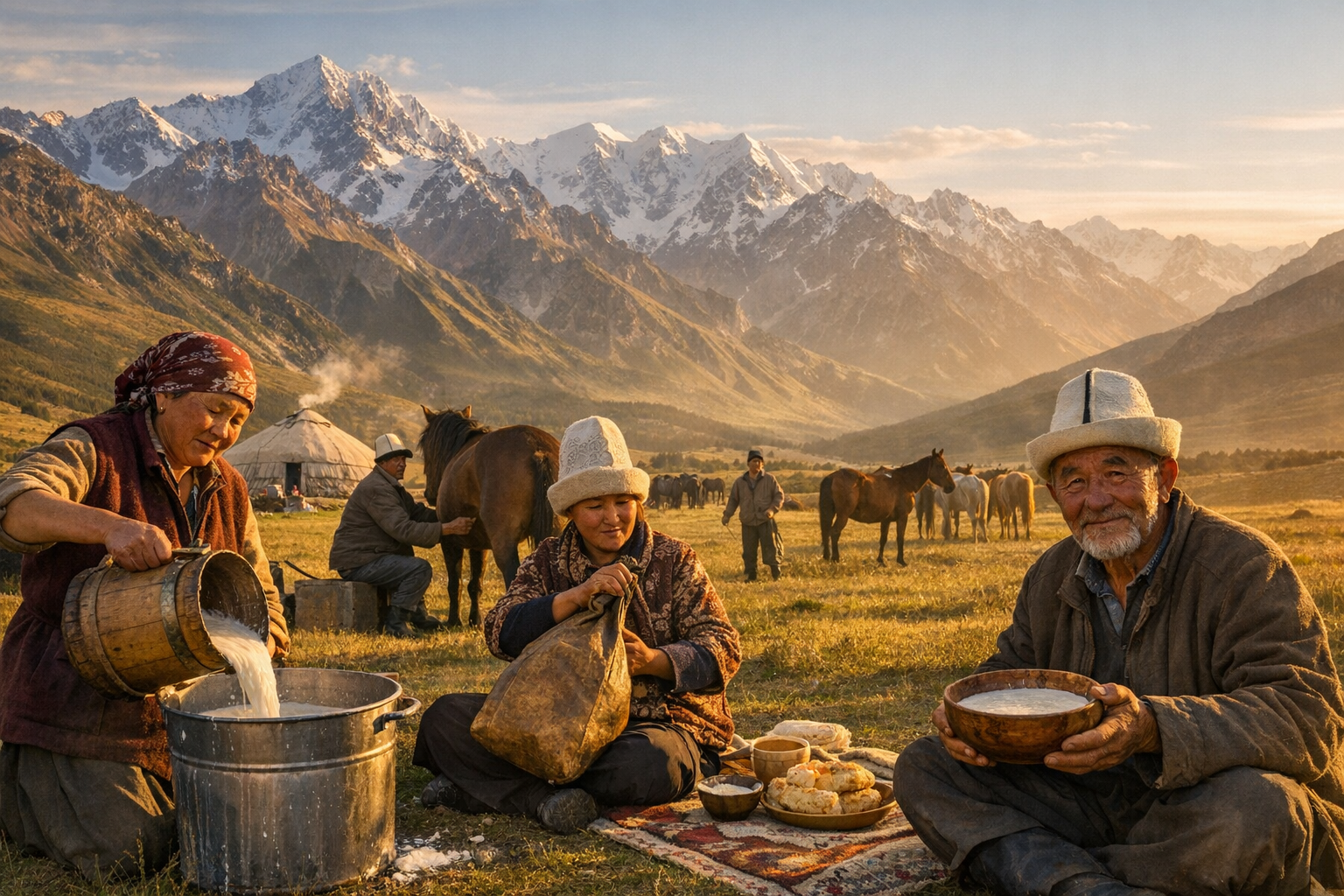
In the heart of Central Asia, where the majestic Tian Shan mountains rise against the vast blue sky, lies a tradition as old as the nomadic tribes who traverse this rugged terrain: Kymyz, the fermented mare's milk that is both sustenance and symbol. In Kyrgyzstan, Kymyz is more than a beverage; it is a testament to the enduring spirit and resilience of its people, intertwined with their history and daily life. It is believed that the Kyrgyz, alongside other Turkic and Mongolian nomads, have consumed this ancient elixir for over a millennium, using it to endure the harsh climates and long journeys across the steppes. In local tongue, Kymyz (Кымыз) encapsulates not just nourishment but also the social and ceremonial fabric of Kyrgyz culture. Typically consumed during the warmer months when mares produce milk, Kymyz is celebrated on the jailoos—high summer pastures—the traditional homes of nomadic shepherds. Here, at altitudes where green hues blanket the land and yurts dot the plains, families gather, sharing stories and laughter over bowls of the frothy, slightly tart drink. The nomadic way of life, centered on livestock, necessitated the creation of Kymyz. Mares are milked with skillful care; their milk naturally inoculates from wild yeasts and bacteria as it is placed into a churn (көбөчө), where it is stirred and fermented. This process, passed down through generations, results in a beverage with a slight effervescence and low alcohol content. Its taste is often an acquired one for travelers, but its health benefits, particularly in terms of probiotics and vitamins, have long been touted. The geographical setting of these traditions is as compelling as the drink itself. Places like Son-Kul Lake serve as vibrant epicenters where the nomadic lifestyle and cultural traditions such as Kymyz production continue to thrive against a backdrop of serene waters and sweeping mountain vistas. Understanding the historical significance and cultural roots of Kymyz offers travelers a richer insight into the fabric of Kyrgyz life and culture, inspiring a journey that delves deep into the heart of this extraordinary land.
Practical Logistics, Safety Protocols & Cultural Etiquette
Planning your immersion into the world of Kymyz requires careful consideration of logistics and cultural nuances. Begin your journey by organizing transport, typically via shared taxis or marshrutkas from major cities like Bishkek to rural locales such as Bokonbaevo or Kochkor. These transport options vary in price, with marshrutkas costing around 300-500 KGS Som depending on destination. Before setting out, research seasonal timing; Kymyz is primarily produced between May and September when the mares are lactating, making this the most opportune period for your expedition. Additionally, travelers should consider the need for a border zone permit if venturing near border areas. These can be obtained through local travel agencies or CBT organizations and typically take a few days to process. It's crucial to prepare for water purification needs on longer treks, with tablets or filters often necessary to ensure safe drinking water. Altitude preparation is also essential; travelers unfamiliar with higher altitudes should allow for acclimatization, taking gradual hikes and hydrating frequently. During your visit, practice yurt stay etiquette. Always remove shoes before entering a yurt, and accept Kymyz graciously when offered. Basic Kyrgyz phrases to express gratitude, such as “Rakmat” (радмат), are appreciated. Respect local customs, especially around meal times, which are considered communal and highlight sharing as a fundamental value. Do engage with families; ask about their daily lives, and learn the cultural significance of Kymyz through their stories and traditions. Showing this respect and interest goes a long way in forming genuine connections, offering a meaningful exchange and understanding of Kyrgyz culture.
Be prepared for the unique taste of Kymyz, which is slightly sour and sometimes effervescent. For those new to Kymyz, start with small sips to acclimate to its distinctive flavor.
Explore the vibrant local markets in towns like Bokonbaevo, where you can purchase traditional crafts like shyrdak felt rugs, offering a tangible piece of Kyrgyz culture you can take home.
Engage with the CBT initiatives which provide authentic experiences like yurt stays and hands-on Kymyz making, promoting sustainable tourism and benefiting local communities directly.
Frequently Asked Questions About Kymyz: Fermented Mare's Milk
What is the traditional process of making Kymyz?
Kymyz is made by fermenting mare's milk, which is naturally enriched with bacteria from repeated churning. The milk is collected after the foals have suckled and then churned in a leather bag or wooden vessel several times a day. This fermentation process creates a mildly alcoholic, frothy beverage.
How much does a guided Kymyz experience cost in Kyrgyzstan?
A guided experience within a CBT framework can range from 2000 to 5000 KGS Som per day, including accommodation, meals, and cultural activities. Prices may vary based on duration and specific arrangements. Always confirm costs in advance with the local organizers.
What should I pack for a Kymyz expedition in Kyrgyzstan?
Pack layers for variable weather, sturdy boots for trails, and a water purification system. Essential items include a first aid kit, sunscreen, a map, and a GPS device. While yurt stays provide some bedding, bringing a sleeping bag is advisable for hygiene and warmth.
Plan Your Kyrgyzstan Wilderness Expedition
Ready to explore the untamed Tian Shan mountains? Contact the Wild Kyrgyzstan team at wildinkyrgyzstan.com to book your custom guided trek or explore our self-guided expedition itineraries.