Sheep Husbandry and Seasonal Transhumance in Kyrgyzstan: A Comprehensive Guide
Introduction to Sheep Husbandry and Transhumance in Kyrgyzstan
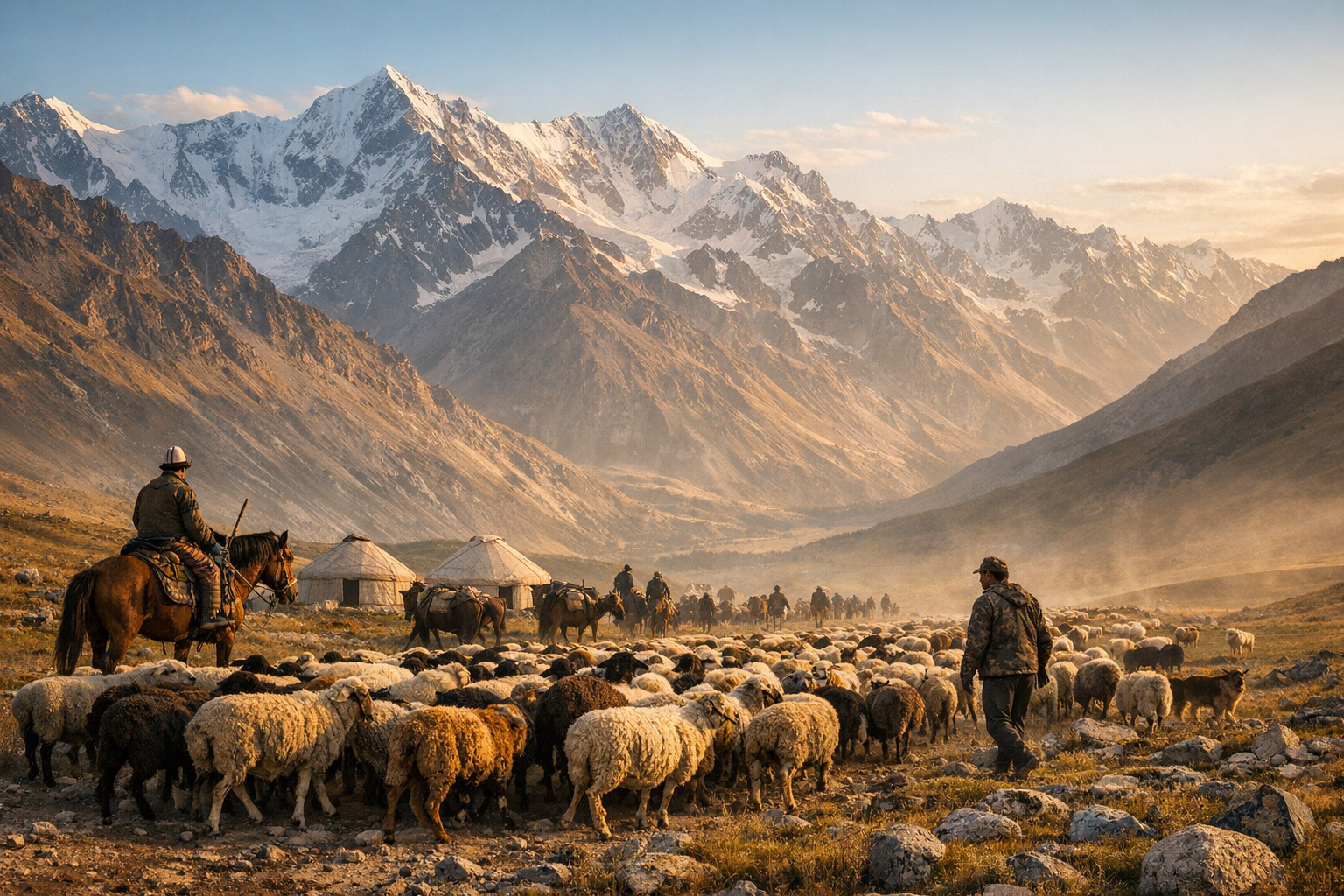
In the majestic landscapes of Kyrgyzstan, the ancient practice of sheep husbandry and transhumance plays a crucial role in both the economy and the cultural customs of the people. Rooted deep in history and tradition, this vital lifestyle has been central to the Kyrgyz identity for centuries. In a country where sprawling jailoos (summer pastures) serve as the backdrop for generations of shepherds, transhumance has allowed communities to explore the diverse terrains of the Tian Shan mountains while following ancient migratory paths.
Transhumance, derived from the Latin terms 'trans' (across) and 'humus' (ground), involves moving livestock between fixed summer and winter pastures. Here in Kyrgyzstan, shepherds lead their flocks to higher altitudes during the warmer months, where grass is plentiful and the landscape flourishing, before returning to the lower valleys with the onset of winter. This seasonal migration not only sustains the livestock through diverse grazing options but also connects the Kyrgyz people to their ancestral past, intertwining deeply with local gastronomy, music, and handicrafts, such as the creation of traditional shyrdak felt rugs and renowned kumis (fermented mare's milk).
Kyrgyzstan's geography, dominated by towering peaks, sprawling valleys, and crystal-clear lakes like Son-Kul, is ideally suited for this practice. The regional clan and tribal systems also contribute to the preservation of these customs. Historical records and oral narratives reveal the continued importance of sheep husbandry in Kyrgyz society, showcasing its role in societal structure, economy, and spiritual life. This guide will explore these aspects, offering travelers a window into the authentic ways of life maintained in Kyrgyzstan's rural heartlands.
Understanding the mechanics of sheep husbandry and the essence of transhumance is vital for anyone wanting to engross themselves in the country's cultural fabric. It's more than just an economic activity; it’s an enduring bond with nature, tied tightly with Kyrgyzstan's nomadic roots, geographically defined by the awe-inspiring expanse of the Tian Shan. From Bokonbaevo’s eagle hunting traditions to seasonal kok-boru games, the rhythms of rural life revolve intricately around the biological cycles of the flock. Come immerse yourself in this rich tapestry of heritage and live the nomadic life firsthand as we delve deeper into this extraordinary tradition.
Logistics, Safety Protocols & Cultural Etiquette of Shepherd Life
Preparing for a firsthand experience in Kyrgyzstan's transhumance requires comprehensive planning. The best time to visit often depends on the seasonal cycle, with summer (June to August) offering the ideal opportunity to engage directly with shepherds in the jailoos.
Obtaining permits to venture into certain highland areas is sometimes necessary, especially when crossing into border zones. The application process generally occurs through local councils or Community Based Tourism (CBT) offices, ensuring that travelers observe all legal requirements. It's crucial to respect local customs, such as seeking permission before taking photographs of villagers or livestock.
Safety protocols include awareness of high-altitude sickness and weather variability. In the jailoos, conditions can shift rapidly, requiring preparedness for sudden rain or temperature changes. Recommended gear includes robust hiking boots, layered clothing, and reliable weatherproof outerwear. As potable water may not always be readily available, carrying purification tablets or portable filters is advised.
Navigating transport is typically managed through a combination of private vehicles, traditional horseback treks, or marshrutkas—shared minivans common in Kyrgyzstan. Budgeting for travel costs in Kyrgyzstani Som (KGS) requires understanding the exchange rate and anticipated expenses, often including accommodations in yurts, meals, and guide services.
Etiquette plays a vital role in fostering positive exchanges with host communities. Familiarity with basic Kyrgyz phrases and customs, such as offering respect during ''kymyz'' ceremonies, enriches connections with local shepherds. Understanding the hospitality norms, like accepting the first offering of food or drink, shows genuine appreciation for the community's openness.
When joining a transhumance journey, packing light is essential. Essential gear includes a high-quality sleeping bag, portable stove, and a sturdy backpack. Sheep husbandry life immerses travelers in rustic landscapes where modern conveniences are limited, making self-sufficiency vital for comfort.
Participating in the local culture offers a hands-on learning experience. Tasks like milking horses for kumis or aiding in wool processing expose the practical skills and effort involved in daily shepherding life. These interactions deepen appreciation for the traditions preserved over centuries.
Engage with local guides who understand the nuances of Kyrgyz transhumance. Their insights into navigation, animal husbandry techniques, and cultural stories not only enhance travel safety but also illuminate the rich heritage that defines Kyrgyz' nomadic identity.
Frequently Asked Questions About Sheep Husbandry and Transhumance
What is transhumance, and why is it practiced in Kyrgyzstan?
Transhumance is the seasonal movement of livestock between fixed summer and winter pastures. In Kyrgyzstan, it allows shepherds to take advantage of fertile grazing areas in summer and protect their flocks from harsh winter conditions, which helps maintain the health and productivity of livestock.
How can I participate in a sheep transhumance experience?
Travelers can join Community Based Tourism (CBT) initiatives that organize transhumance experiences. Costs typically cover transport, accommodations, and guide services, fluctuating between 3,000 and 5,000 KGS daily, depending on itinerary complexity and season.
What precautions should I take for high-altitude environments?
Adequate preparation for high altitude trekking includes acclimatization, staying hydrated, and monitoring for altitude sickness symptoms like headaches or dizziness. Packing altitude medication and consulting local guides for best practices ensures a safe experience.
Plan Your Kyrgyzstan Wilderness Expedition
Ready to explore the untamed Tian Shan mountains? Contact the Wild Kyrgyzstan team at wildinkyrgyzstan.com to book your custom guided trek or explore our self-guided expedition itineraries.