Discover the Art and Symbolism of Shyrdak Felt Rugs in Kyrgyzstan
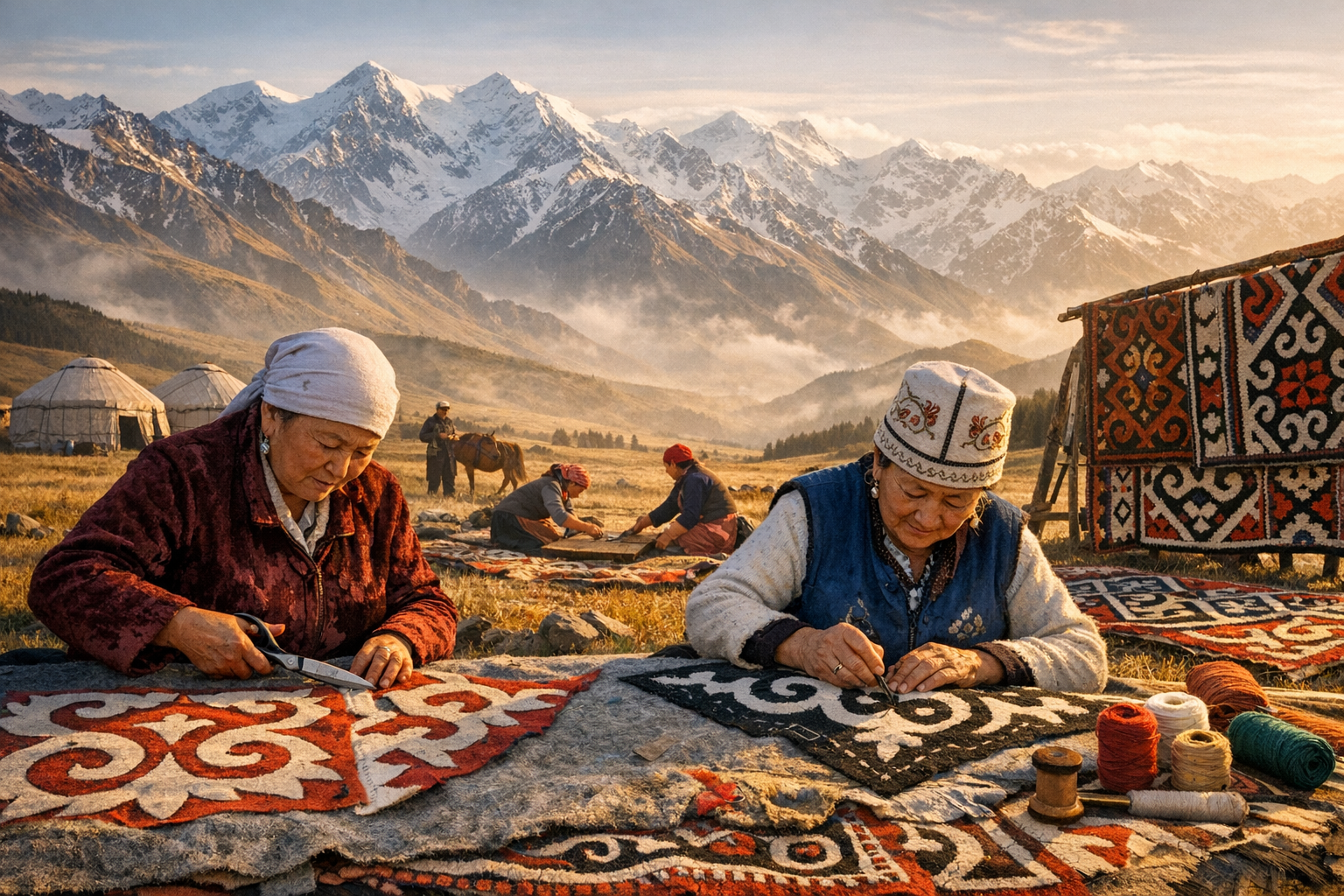
Introduction to Shyrdak Felt Rugs
Shyrdak felt rugs are an essential part of Kyrgyz culture, embodying centuries-old traditions and artistry that have been passed down through generations. Originating from the nomadic lifestyles of Kyrgyz people, these rugs are not only functional but also rich in symbolism and heritage. The art of Shyrdak-making is deeply ingrained in the daily lives of Kyrgyz families and holds a significant place in their spiritual and practical world. The term 'Shyrdak' itself refers to the distinctive layered felt rugs crafted using traditional techniques that date back hundreds of years. These rugs were originally created to provide warmth and comfort in yurts—portable round tents used by nomads across Central Asia to withstand the diverse climates of the region. The geography of Kyrgyzstan, with its rugged mountains, expansive plateaus known as 'jailoos,' and bustling towns like Bokonbaevo, plays a crucial role in shaping the Shyrdak craft. Each rug, with its vivid colors and motifs, tells a story and symbolizes aspects of life, nature, and the cosmos. In this guide, we will delve into the elements that make Shyrdak felt rug craftsmanship a unique cultural treasure. From the meanings behind the intricate patterns to the artisans' painstaking techniques, you’ll gain an understanding of why these rugs are not just pieces of decor, but are woven narratives of Kyrgyz heritage.
Practical Logistics, Safety Protocols & Cultural Etiquette
Traveling to explore Shyrdak craftsmanship involves understanding both the logistics and the cultural context of the region. Peak seasons from June to September bring mild weather in Kyrgyzstan, ideal for those wishing to trek between communities involved in Shyrdak production. It's advisable to book accommodations ahead, particularly in yurts, to experience the traditional Kyrgyz lifestyle. Costs vary: a night in a yurt can range from 700 to 1,500 KGS Som, offering meals and experiences such as eagle hunting demonstrations. Navigational aids including GPS devices or detailed maps are essential, especially along lesser-marked trails in the countryside. When visiting artisans, understanding etiquette is crucial. Greetings with a simple 'Salamatsyzby' (hello) demonstrate respect, and bringing small gifts, such as tea or sweets, is appreciated as a gesture of goodwill. Engage with artisans respectfully; photography is usually welcomed, but asking permission is a mark of courtesy. Water purification is necessary when trekking, as access to bottled water may be limited. Portable filters or purification tablets ensure safety while interacting with local water sources. Altitude acclimatization is necessary for trails above 3,000 meters, common in areas like Son-Kul. Slowly ascending while consuming plenty of fluids aids in reducing the risks of altitude sickness. Engaging in meaningful exchanges provides a rich tapestry of experiences, merging the practical with the cultural, leaving travelers with a profound appreciation of Kyrgyz tradition.
Ensure you book yurt stays in advance as they provide not only a place to rest but also an opportunity to engage with local families and partake in nomadic customs. Each yurt area often includes a chance to witness Shyrdak-making workshops, offering unique hands-on experiences.
Familiarize yourself with local transportation like marshrutkas, which are a cheap and authentic means of travel. These shared rides, costing about 100-300 KGS Som for typical routes, offer opportunities to interact with locals and gain insight into their daily routines.
Invest time in learning about the symbolic language of Shyrdaks, which reflects elements of Kyrgyz spirituality, nature, and communal history. This knowledge enhances the appreciation of the intricate designs and the skill required to maintain this ancient craft.
Frequently Asked Questions About Shyrdak Felt Rugs
How long does it take to make a Shyrdak felt rug?
The process of creating a Shyrdak felt rug is labor-intensive and can take anywhere from several weeks to a few months, depending on the size and complexity of the designs. Each step, from felting to embroidery, is meticulously done by hand by skilled artisans using techniques passed down through generations.
What is the best way to purchase a Shyrdak rug during my visit?
Purchasing directly from artisans in villages like Bokonbaevo or through CBT tours ensures authenticity and supports local craftspeople. Prices vary based on size and intricacy but typically range from 5,000 to 20,000 KGS Som. Always negotiate respectfully, as it is part of the buying process.
Can I incorporate a Shyrdak rug into modern home decor?
Absolutely. Shyrdak rugs add cultural richness and vibrant aesthetics to any home setting. Their durable nature makes them suitable for high-traffic areas, while their colorful patterns can serve as focal points. They pair well with modern minimalist designs, offering a striking contrast and cultural dialogue.
Plan Your Kyrgyzstan Wilderness Expedition
Ready to explore the untamed Tian Shan mountains? Contact the Wild Kyrgyzstan team at wildinkyrgyzstan.com to book your custom guided trek or explore our self-guided expedition itineraries.